
Pathway 1
Asylum & Refugee Navigation
Clear information about the asylum and refugee process, what each stage means, what is expected, and where a matter belongs next.
Sister EF Legacy of Purpose Foundation · Human Rights Programme
No human being becomes invisible because of their status. We walk with refugees, asylum seekers, migrants, undocumented persons and displaced people through documentation, justice and rebuilding — with dignity, lawful process and the right professional route for every matter.
Mission
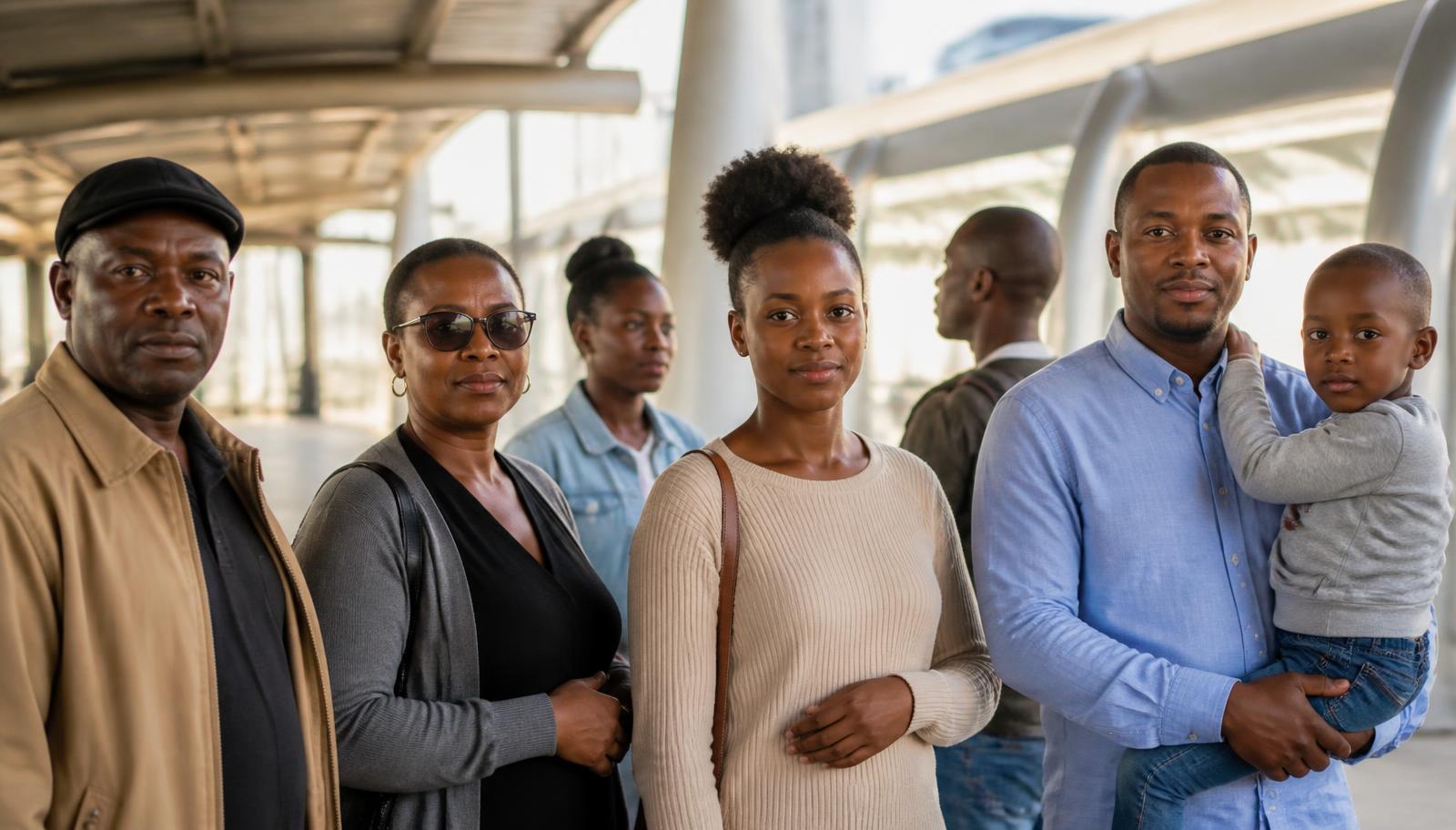
The programme exists so that people navigating documentation, detention, exploitation, xenophobia, family separation and justice-system concerns in South Africa can find clear information, a steady guide and the correct professional or institutional route for their matter.
Every person who reaches us is met as a person first. We listen, we clarify what is happening, we help organise what is needed, and we connect the matter to the pathway best able to carry it forward. Legal matters are assessed and directed through the appropriate qualified professional or competent institutional pathway according to the needs of the matter.
Who We Support
Pathways
Clear information about the asylum and refugee process, what each stage means, what is expected, and where a matter belongs next.
Practical help understanding documentation requirements, organising personal paperwork and preparing for appointments and administrative steps.
Priority triage where a person is detained or facing removal, with rights information and swift direction to the appropriate professional or competent institutional route.
Support for people who have experienced xenophobia, labour exploitation, extortion or dignity violations, including safety-aware navigation and referral.
Family-centred navigation for separated families, caregivers and children, with safeguarding applied throughout.
Due-process information for accused, detained and affected persons, and connection to appropriately qualified practitioners and competent institutions.
Longer-term pathways: community belonging, psychosocial referral, skills and livelihood direction, and rebuilding a stable life.

Navigation, not guesswork
Most people do not lose their rights because the rights are absent. They lose ground because the process is unclear, the language is unfamiliar and the correct door is hard to find. We make the route visible and walk it with the person.
How Support Moves
We hear the person's account fully, in their own words, with dignity and confidentiality.
We assess urgency, safety, detention risk, deadlines and whether children or vulnerable adults are involved.
We explain rights, processes and realistic next steps in plain language, with interpretation arranged where needed.
We help the person organise their own information and paperwork so their matter can be presented clearly.
We identify whether the matter belongs with a qualified professional, a competent institution or a community pathway.
We connect the person to the appropriate qualified professional or institutional route for the matter.
We check back, confirm the person reached the right place and support the next step where appropriate.
We record anonymised systemic patterns that inform rights education, research and policy advocacy.
Our Scope
Legal matters are assessed and directed through the appropriate qualified professional or competent institutional pathway according to the needs of the matter. Formal immigration and legal status decisions rest with the competent authorities.
Rights & Dignity
Lawful process, safety, fairness, confidentiality and access to appropriate assistance guide every part of this programme. People are addressed by name, not by status. Information is handled with care and shared only with consent and for the purpose agreed. Competent authorities determine formal immigration and legal status.
Partner With the Programme
We welcome expressions of interest from professionals, organisations and institutions whose work strengthens dignity, lawful process and access to justice. Each expression of interest is assessed through our partnership and conflict-of-interest framework.

Become a Justice & Dignity Advocate
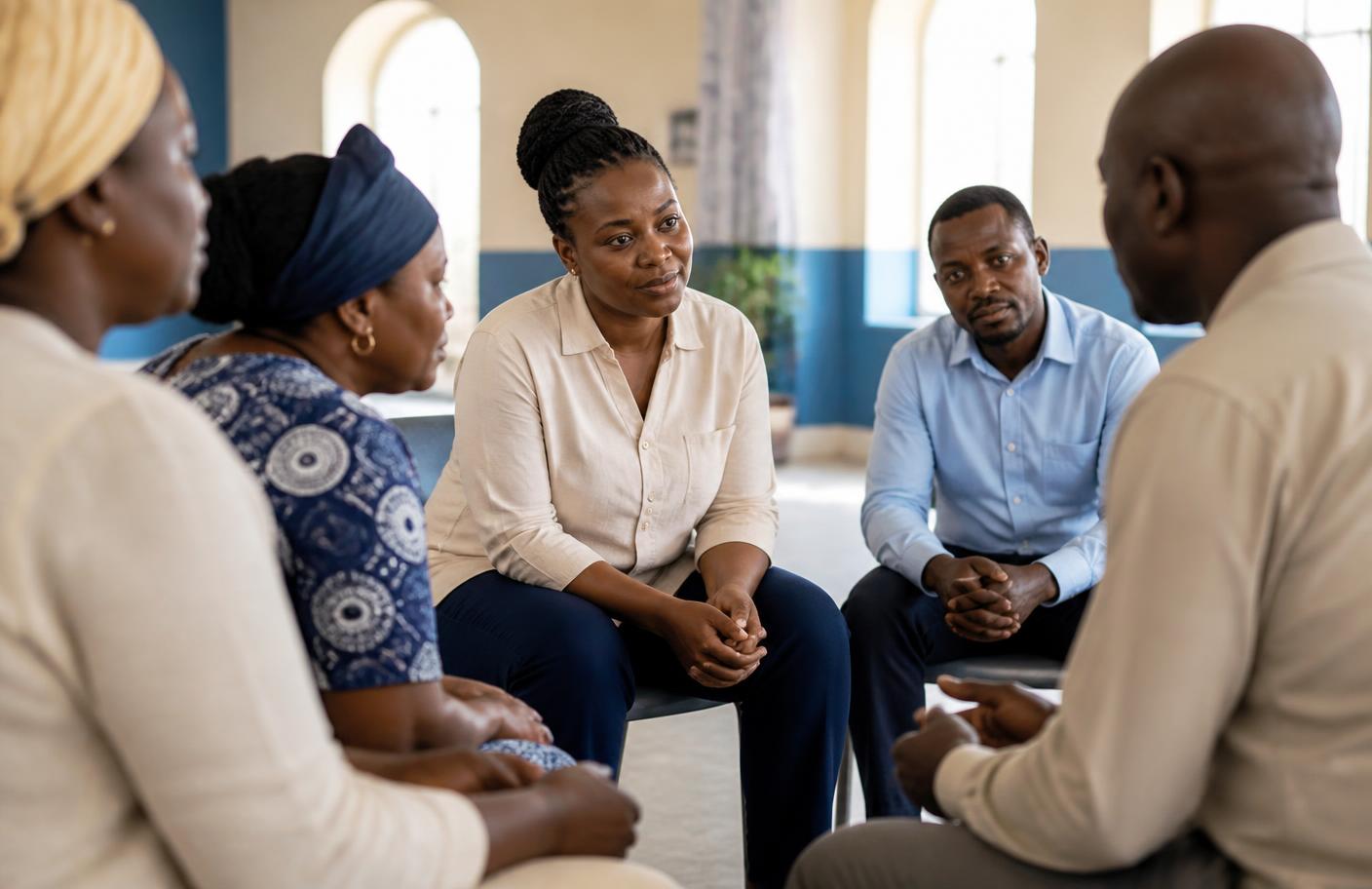
Justice & Dignity Advocates are trained volunteers who support outreach, share accurate rights information, help people navigate processes and make careful referrals. Advocates work within a clear code of conduct and safeguarding framework. Legal advice is provided through appropriately qualified practitioners.
Migration & Human Dignity Observatory
The Observatory is the research and advocacy function of the programme.
All Observatory work follows our research, anonymisation and case-data ethics framework. Figures and publications are released only once they are verified.
Support the Work
Support for a person is never conditional on payment by that person. Programme costs are carried by donors, funders and institutional partners.
Documents & Policies
Concept note, service scope, triage and referral framework, partnership briefs and role profiles.
Service scope, referral, confidentiality, data minimisation, safeguarding and ethics commitments.
The full institutional documents area of the Foundation.